Celebrating Global Leaders: Insights & Inspiration
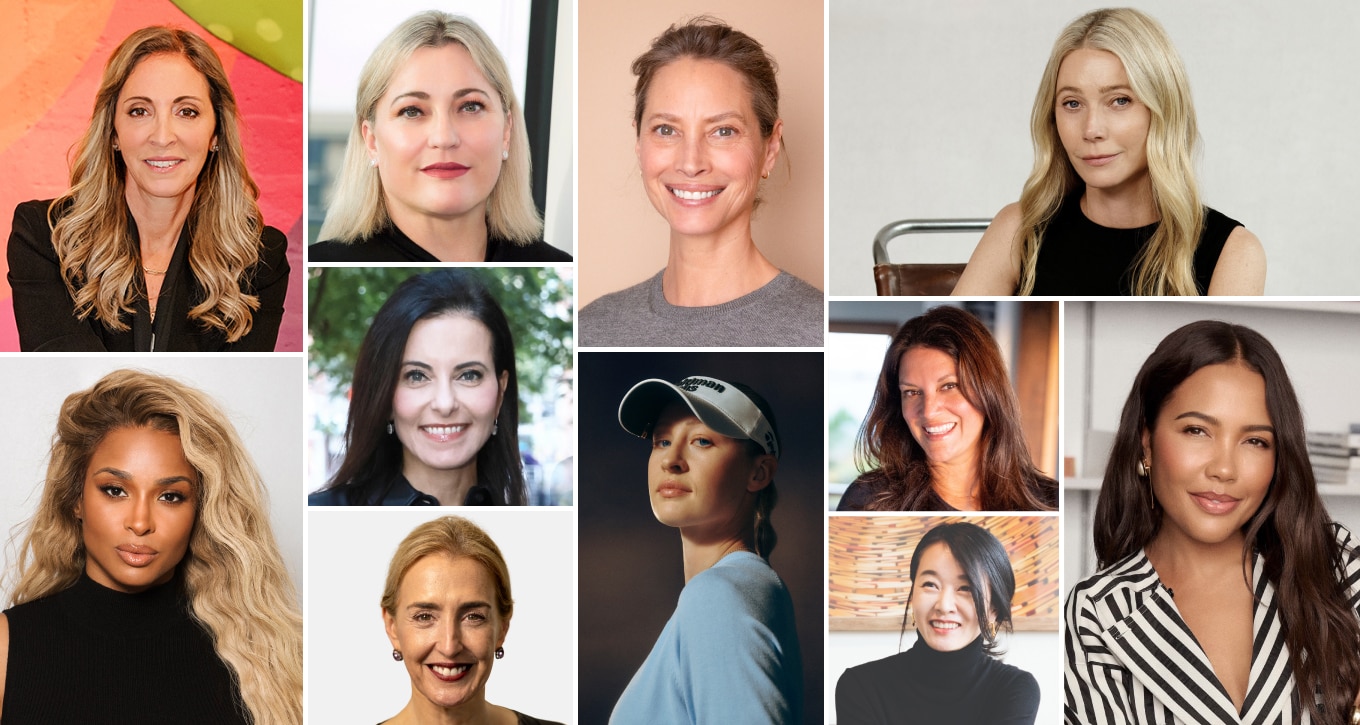 Jessica Goldman Srebnick, Renée James, Christy Turlington Burns, Gwyneth Paltrow, Dina Powell McCormick, Navyn Salem, Ciara, Adele Oliva, Nelly Korda, Emma Grede, Songyee Yoon
Ambition Demands Discomfort
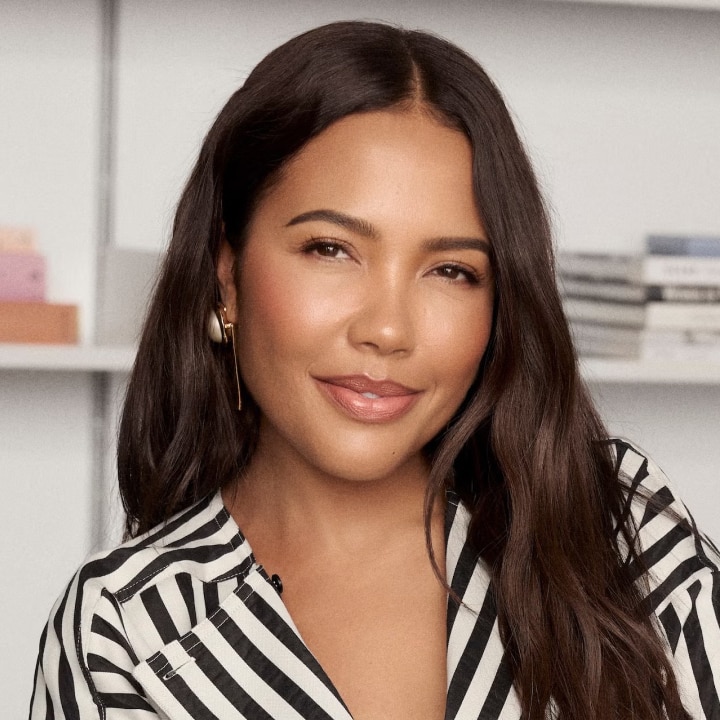
What's a pivotal moment from your early career that made a lasting impact on your professional journey?
My first real job was at a fashion production company putting on shows for London Fashion Week, and I was shocked by how talented designers were completely disconnected from their own businesses. I was tasked with sourcing TVs for a backdrop, but naturally these aspirations did not line up with our budget. I convinced Toshiba that it would be in their best interest to align with this young designer. They shipped me a load of TVs in exchange for their logo on the credit sheet, and I was off to the races. Ultimately, this chasm between vision and reality became my bridge to build and turned into the beginning of my career.
What inspired you to write your debut book, Start With Yourself, and what do you hope readers gain from it?
I wrote Start With Yourself as a wake-up call for ambitious women who want to take control over their power, money, careers, and families—without hiding behind politeness or “soft ambition.” The book is about self-leadership: understanding the emotions shaping our decisions, building a clear vision, and dismantling the cultural conditioning that discourages women from claiming wealth and visibility. I hope readers walk away willing to tolerate discomfort because ambition requires it, and money and power require audacity.
How do you balance your responsibilities as a business leader with your family?
I reject the idea that motherhood requires surrendering ambition. It requires clarity, support, and boundaries. My children need stability and love—not a perfectly optimized version of me. Mothers are being told they must police every bite of food, every screen, every moment. You have to learn your non-negotiables and figure out where you can delegate.
Pioneering Technology in a Complex World
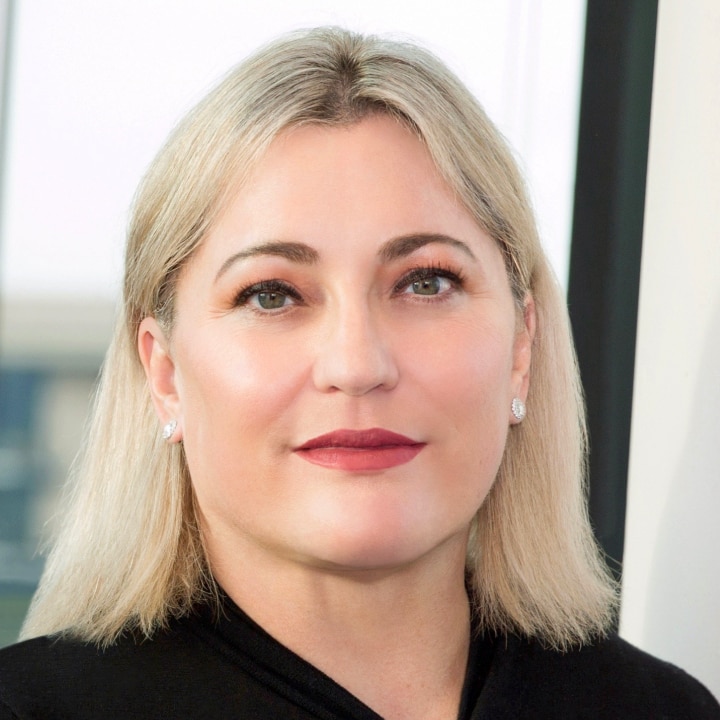
You helped pioneer the technology industry over the last two decades. What is the next technology trend you're watching?
We are all watching the directional development of AI and its impact on our culture and how we work, learn, and live going forward. I think we need to revitalize our critical thinking skills and ability to find the truth, as AI’s abilities are not foolproof. We’re also just beginning to understand AI use and data collection and how they impact our personal rights and privacy.
It is a complex time in the technology industry. The new generation of tech leaders didn’t grow up in a time like I did, when we worried about establishing the basic framework of the Internet and the rules to govern ourselves—all of which will need adjustment given the rapid changes of AI technologies. We also need more attention on the unintended consequences of the technologies we build. I have a saying about technology: “Just because you can build it, doesn’t mean you should.” The future will be about knowing how to find the truth and what is real and what is not.
What is the best piece of advice you've ever received?
I received two pieces of advice that govern the way I approach my thinking every day: One is, watch what people do, not what they say. The second is to bet on myself. If you don’t bet on yourself, why should anybody else?
What is your next project?
It is a bit early to announce what I am doing next. I started a new company centered on complex technology and of course, AI. We’re in stealth mode right now, but I will be announcing our direction and focus in the coming quarters.
Uplifting Fellow Women Leaders
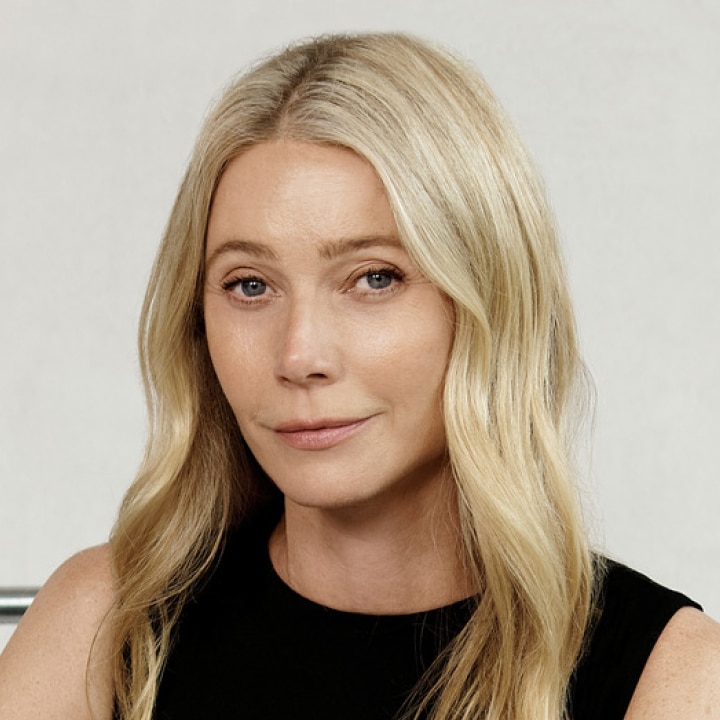
Why did you decide to create goop?
goop began very organically. I was sharing things I loved—recipes, restaurants, practitioners, shops—with friends and family. There was no business plan. It came from a genuine instinct to connect and to curate thoughtfully. Over time, it resonated more widely than I ever could have imagined. What still feels meaningful to me is that 18 years later, the spirit hasn’t changed. It’s always been about curiosity, discernment, and a desire to share what feels truly worthwhile.
As an entrepreneur, what stands out as an especially meaningful or transformative moment in your career?
One meaningful evolution has been moving from founder to also supporting other founders. Through Kinship Ventures, I have the opportunity to work closely with early-stage companies—sharing what I’ve learned about building a brand that resonates culturally. It’s been incredibly fulfilling and exciting to help shape and champion new entrepreneurs and founders, particularly in spaces I care deeply about like wellness, CPG, and consumer tech.
What’s one thing we can all do to support and uplift fellow women leaders?
The most important thing we can do to support our fellow women, is to look internally and be aware of any implicit messaging or biases we have. Many of us were raised to see other women as competition. I believe when we work together, support each other, and speak positively about each other, we create a net of strength and influence that is singular to us.
The Long View on Innovation
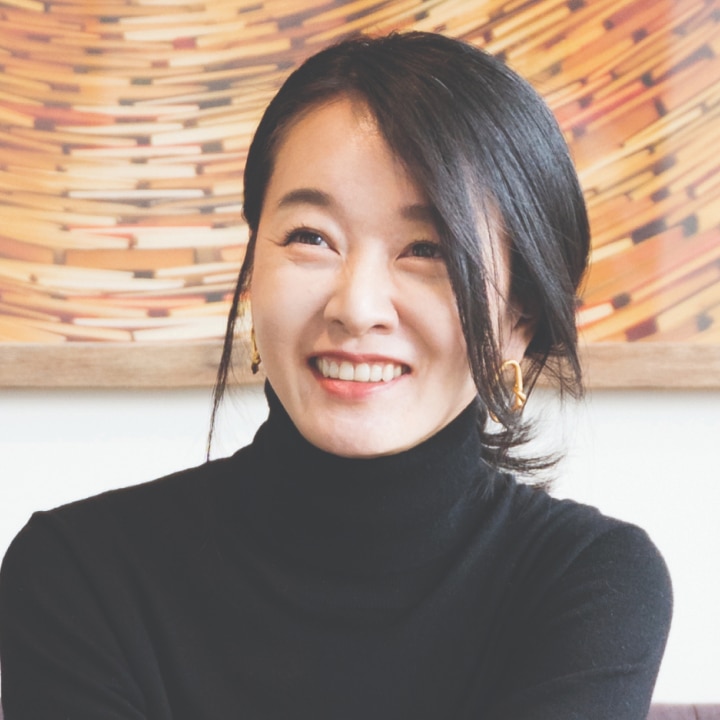
Can you talk about how “play” is a catalyst for innovation?
Play is a disciplined form of experimentation. It is where rules can be tested, bent, and occasionally rewritten—safely. Nearly every major technological transformation, from aviation to computing to the Internet, went through an early phase that looked more like play than purpose.
Games, in particular, compress risk. They allow users to explore bold ideas, fail quickly, and iterate without real-world consequences. That dynamic is essential to innovation. Gamers are also among the most discerning yet forgiving early adopters: they are willing to engage with imperfect technology when it represents a meaningful step forward.
For that reason, gaming has consistently served as an effective proving ground for emerging technologies before they mature and move into adjacent industries. My work in gaming provided a precious lens into how new technologies are adopted at scale—and how human behavior adapts alongside them.
What do you look for when evaluating AI startups?
We are deliberate about filtering out noise. Rather than focusing on technical demonstrations, we prioritize companies addressing real, well-defined problems with clear paths to adoption and impact. The technology matters, but it is never the starting point; it must be in service of a specific, durable use case.
Equally important are the founders. We look for intellectual honesty, sound judgment, and integrity—qualities that become increasingly critical as companies scale. We assess whether founders can lead through exponential growth, attract exceptional talent, and build organizations that endure.
Our objective is to partner with teams capable of building generational companies—businesses that combine technological excellence with long-term relevance.
Looking back on your experiences in Korea and San Francisco, is there a moment that stands out as transformative?
Chuseok is Korean Thanksgiving. When I was five, my extended family would gather days in advance at my eldest uncle’s home to prepare an enormous meal together. On the holiday itself, the men and boys sat at a large table in the living room, while the women and girls gathered in the kitchen.
The most carefully made dumplings were served in the living room. In the kitchen, we ate the broken ones—the imperfect edges that didn’t make it to the table. I remember looking at my plate and realizing, even at that age, that I didn’t want to celebrate Thanksgiving that way.
I stood up, walked into the living room, and asked my father if I could sit beside him at the table. The room went quiet. After a pause, he said yes. Some relatives were surprised. My female cousins didn’t speak to me for a long time afterward.
But that moment stayed with me. It taught me something simple and enduring: access is not always offered, but it can sometimes be claimed. Asking to sit at the table—calmly, respectfully, and without apology—can change the direction of someone’s life. That lesson has informed how I lead, how I invest, and how I think about the responsibility to build larger tables for others over time.
Focus on What You Can Control
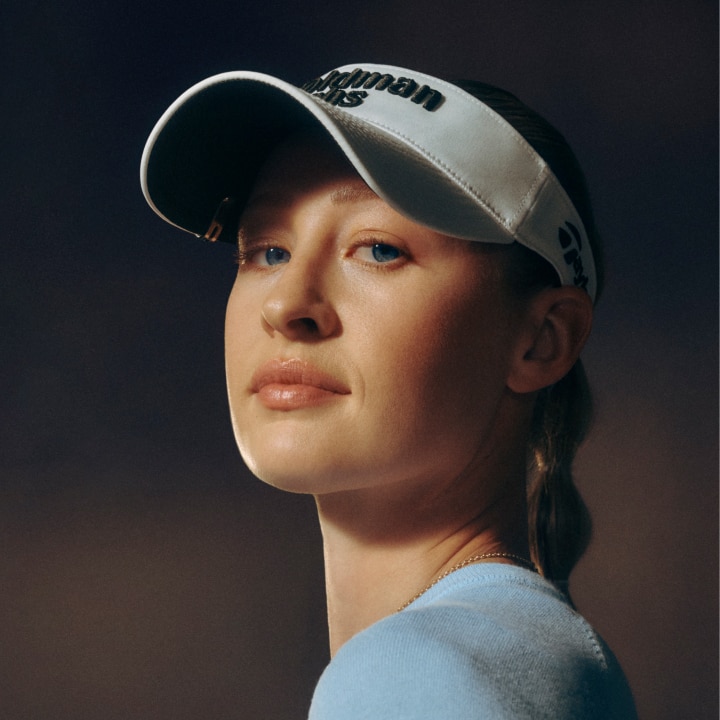
Beyond wins and stats, what's the most valuable lesson you took away from golf at an early age?
My dad has been one of my greatest mentors and has taught me so much over the years. One lesson that has stayed with me since childhood is everyone's journey looks different. Life is a marathon, not a sprint. Each person needs to run their own race without getting distracted by what others are doing. I focus on my own path instead of comparing myself to what others are doing. That lesson has stayed with me, and I still believe it deeply today.
How do you continue to set new goals and challenge yourself, even after success?
My goals are something I keep private as they are personal to me. However, my mindset never changes, and I always just try to continue to get better each day. No matter what I’ve achieved previously, I always look forward to a new day and concentrate on my process and try to improve. I don't focus on the results; I try to only pay attention to the things I can control, which are making sure I put in the work and am prepared each and every day.
How do you hope to inspire and positively impact future generations of women athletes?
This is a question that means a lot to me. Inspiring the next generation is something I strive for both on and off the course. As a young girl, I looked up to so many athletes, and now being in a position to do the same for others is a tremendous honor and responsibility—one I take very seriously. My goal is to leave the game better than I found it. I want to do my part to inspire young players and help grow the sport for the generations to come.
Purposeful Mentorship Is a Lasting Legacy
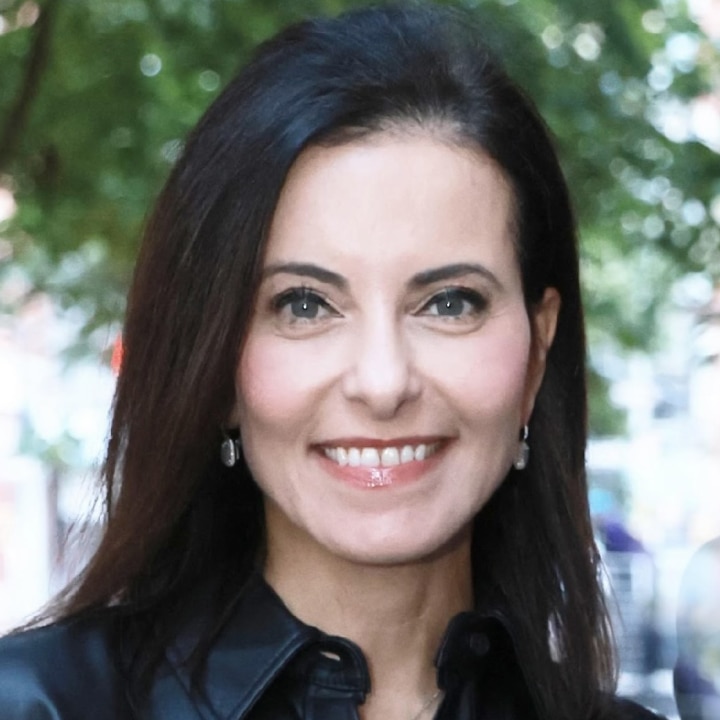
You were often one of very few women in a room—if not the only one—whether it was in the Oval Office, the Situation Room, or on Wall Street. What leadership traits did you learn from those experiences?
I learned very early in my career that I had to understand the different leadership styles exercised by men and women, and the specific traits and priorities of the many leaders with whom I worked. Two lessons stand out. First, you have to learn not to take things personally and really try to understand the mission and what leaders want to accomplish. Second, female voices can play a distinct role because there are often fewer in the room.
Women are often the voices engaging people and bringing them together. That was borne out in survey data we commissioned for our book, Who Believed in You: How Purposeful Mentorship Changes the World. Men were more likely to cite "power" and "prominence" as qualities that drew them to their mentor, while women cited "authenticity" and "good listener" at higher rates.
During your first few weeks as Meta’s president and vice chairman you spoke about the importance of using AI to empower humanity. Can you expand on why this is critical?
Fundamentally, AI is driving a transformation that will change the face of humanity. At Meta, we see AI as a tool to empower people and amplify human potential, not the opposite. I think putting humanity in every sentence when we talk about artificial intelligence is going to be increasingly important for every leader that has a role to play in this era of innovation.
AI is also a group sport. Success in AI depends on broad collaboration—no single company can achieve it alone. Robust compute, sustainable energy, industry partnerships, and smart government regulation are all essential. By working together across these domains, we can build an ecosystem where AI innovation thrives responsibly and at scale.
You have built some of the world's most effective leadership and mentorship programs. What made them so successful?
I was fortunate both in government and the private sector to work on teams that developed some of the most effective and successful mentoring programs. While I served as assistant secretary of state, I led the development of the Fortune-US State Department Global Mentoring Program. While serving as president of the Goldman Sachs Foundation and a member of the management committee, we built some of the largest and most effective mentoring programs: 10,000 Women, 10,000 Small Businesses, and One Million Black Women. These programs foster economic growth by providing entrepreneurs with business education, mentoring, networking, and access to capital.
The research we commissioned for our book shows that being an entrepreneur can often feel like being on an island all by yourself, carrying the entire weight of a vision and payroll alone. Purposeful mentorship acts as a vital bridge back to the mainland, providing a “vote of confidence” that data shows leads to measurable increases in both revenue and job creation. It’s about having someone act as a mirror for the potential you haven’t recognized yet, giving you the professional permission to stop just surviving and start truly scaling. Ultimately, instilling that confidence is the fuel of our economy, because when you believe in one entrepreneur, you change the trajectory of an entire community.
You have uniquely worked at the highest levels of the US government, Wall Street, and now in tech at Meta. How have you operated as a leader in such different environments, and what leadership lessons did you learn?
At the end of the day, it’s always about your team. Building, supporting, and mentoring a team is critical, because you are always only as good as the people around you.
Business leaders must balance pursuing excellence and performance goals with building outstanding teams. Success depends on both your abilities and the talent you attract. The best way to recruit and retain top talent is through mentorship and investing in your team's long-term careers. This reputation ensures that talent continues to join because they trust leadership will invest in their future.
I believe the ultimate measure of your leadership isn't what you achieved yourself, but the heights reached by the people who were once on your team. The greatest ROI of my career isn't a deal we closed or a number on a balance sheet—it is the success of the people who worked for me and have gone on to lead their own organizations. When I see our team alumni thriving in roles of immense responsibility, it confirms that our most lasting legacy is the pipeline of purpose-driven leaders we’ve helped launch into the world.
Transforming Healthcare With a Dedicated Mission
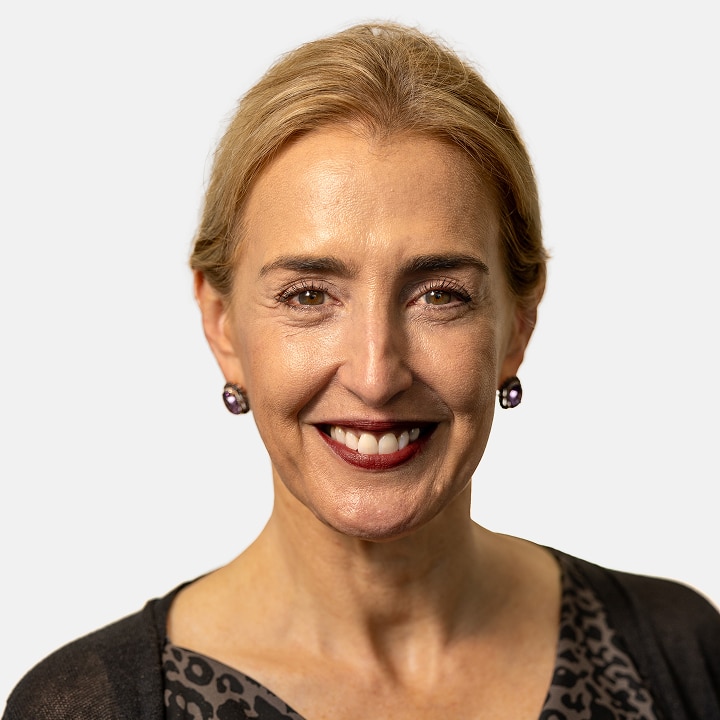
Why did you decide to start 1315 Capital, and what motivated you to focus on healthcare?
Like many entrepreneurs, our decision to start 1315 Capital stemmed from identifying an opportunity in a less efficient market segment. We built our team to focus on a compelling niche within healthcare growth equity and buyouts—particularly product-oriented businesses and the “picks and shovels” that enable products to reach the broader healthcare ecosystem. By combining deep healthcare expertise with the market’s strong opportunity set, we believed we could build a differentiated platform while delivering compelling, consistent results.
What specific aspects or trends within healthcare excite you the most, and why?
One area we’re especially excited about is health and wellness. Individuals are taking a more proactive role in managing their overall health. This has been a core focus area for 1315 Capital’s strategy since our inception more than a decade ago. We’re also deeply focused on the essential infrastructure and services that support the biopharma and medtech industries, including laboratories, manufacturing, and specialized service providers. We’re drawn to business-to-business models with diversified customer bases and the critical role these companies play in enabling innovation across the healthcare ecosystem.
What guidance would you offer to entrepreneurs who are just starting to fundraise or launch their own company, based on your experiences?
Keep the pedal down. Business is a competitive and demanding industry where success requires relentless execution. It’s also essential to build a team with a shared vision, genuine passion for the space you are in, the drive to deliver results, and the resilience to perform through challenges. Individuals lead, but it’s the team that succeeds. Long-term value is created through collaboration, alignment, and shared ownership of both challenges and outcomes.
Inspiring Future Generations to Dream Big

Can you share why you started the Why Not You Foundation, and what motivated you to focus on empowering youth and families?
Russell and I both grew up with the “Why Not You?” mentality, which allowed us to dream big and walk in faith—versus fear— for anything we wanted to accomplish. Our goal is to be able to support every child in need and allow them to have that same opportunity to dream with the “Why Not You?” mentality, just like we did. We were able to defy many odds with that. Empowerment starts with access to education, mentorship, resources, and believing in yourself, and that’s exactly what we strive to provide through our foundation.
As a platinum-selling global artist, entrepreneur, and philanthropist, is there a particular moment that stands out as especially meaningful or transformative in your career?
Starting my own label, Beauty Marks Entertainment, was a game-changing step for me, not only as an artist, but as a businesswoman. After being in the industry for many years, I felt called to take full control of my vision, music, storytelling, and strategy. Launching my own label was about betting on myself in a new way.
What's your advice for someone looking to engage their children and family in entrepreneurship?
Make it a family conversation. Let your kids see you dream out loud, include them in brainstorming, and ask them what problems they want to solve. Most importantly, lead by example. Kids watch everything, and when they see you work with passion and integrity, they absorb that mindset.
Empowering Mothers Around the World
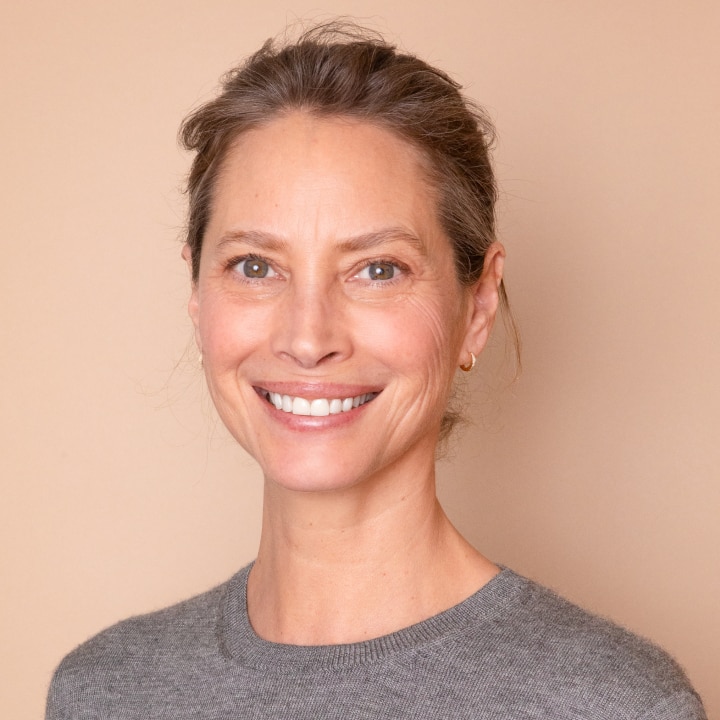
Can you share the story behind why you decided to start Every Mother Counts, and what motivated you to focus on maternal health globally?
I experienced a postpartum complication after the birth of my daughter 22 years ago, and the experience opened my eyes to a global tragedy I wasn’t aware of before becoming a mother. Once I learned that hundreds of thousands of women and girls die each year from complications related to pregnancy and childbirth and that most of them were preventable, I couldn’t stop thinking about everyone who doesn’t have access to the care and options I had.
As a maternal health advocate, nonprofit leader, mother, and sometime model, what advice do you have for living a balanced, purposeful, and confident life?
My life isn’t always balanced but it is purposeful—and that gives me deep satisfaction and confidence most days. I think we need to discover our sense of purpose in our own way, but I recommend setting intention around that as a goal and that will start the process.
How do you define success when it comes to your legacy?
When I think about legacy, I think of my children outliving me and continuing to contribute meaningfully as they continue to mature and evolve. I’m also proud of the impact Every Mother Counts has made so far. We’ve invested over $50 million into community-based and -led solutions across nine countries. We’ve amplified the voices of hundreds of mothers and providers and amplified their stories and the benefits of receiving safe, respectful, and equitable maternity care throughout pregnancy, childbirth, and the postpartum period. We have a lot more to do, and the demand is only increasing here in the US and around the world, but we are committed to going the distance for moms and families.
How do you bring your children into your work, and include them in your philanthropic efforts? How are you teaching them to give back?
I always exposed my children to my work and the world. They’ve both traveled with me and have seen the work firsthand. I can see that has made a difference in how they see the world and the sense of responsibility that they now must contribute in their own meaningful ways.
The Power of Conviction and Courage
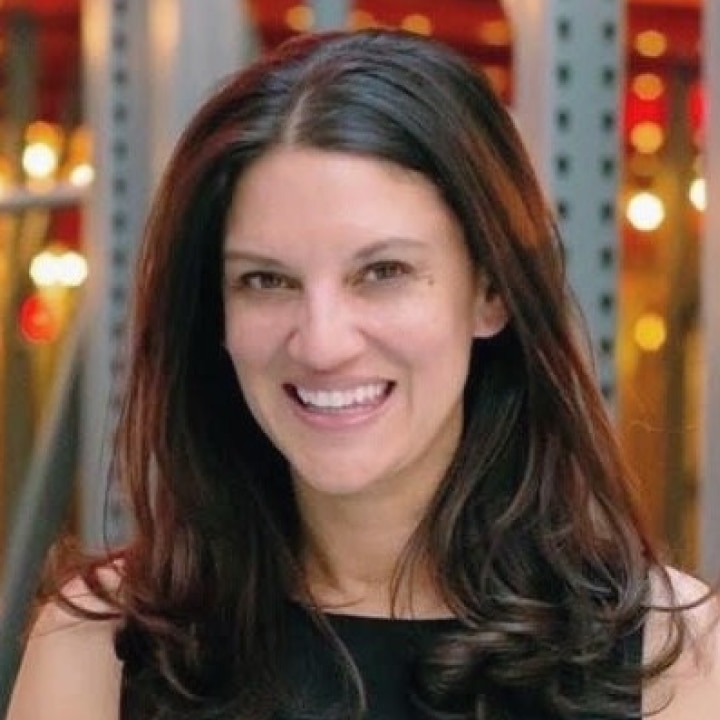
How do you engage your family and children in your philanthropic effort?
I only became a CEO because I was a mom. I had four little girls under the age of five. While changing diapers and loading the dishwasher, I would think to myself: What kind of role model do I want to be for my daughters?
I started Edesia out of our spare bedroom. I love business, I love children, and I believe in showing up for people who need it most. At Edesia, we make food that saves lives: therapeutic nutrition for malnourished children around the world.
My work has taken me everywhere, and whenever possible, I packed up a few of my girls and took them along. We survived Ebola in Sierra Leone (not my proudest parenting moment), did clinical trials in Haiti, and spent spring break in Guatemala. I wanted them to see the world not as something to fear but as something that needs them. I wanted them to understand the incredible responsibility and opportunity there is in showing up for humanity.
That's the lesson I hope they carry.
What's one challenge you faced when starting Edesia, and how do you overcome it?
On January 20, 2025, I was standing in a bustling clinic in Sierra Leone watching hundreds of malnourished children being screened, when an alert came through on my phone: Effective immediately, all humanitarian aid would be paused. I don't think anyone could have predicted what came next.
Edesia endured two stop work orders, four contract terminations, two factory shutdowns, 95 media interviews, 16 layoffs, one dismantling of USAID, and one Department of Government Efficiency. There were at least four moments when I thought we would close. Four times I believed I would be responsible for the loss of 150 paychecks, and for five million children who would not get our life-saving food. Every night I would end my day exhausted, out of ideas, totally defeated. And somehow, every morning, I would wake up ready to fight again.
This year tested me like no other. I learned to align with unusual allies, set unachievable goals, make changes on the fly, take calculated risks, and defend what I believe in by speaking up. But more than anything, I learned to trust in our mission: Feeding children caught in humanitarian crises will always be a core value of the American people.
I now count my biggest achievement as being a USAID survivor. Today, when I look out from my desk here in Rhode Island, I can see every manufacturing line running at full capacity with millions of pounds of peanuts, milk powder, and vitamins from 15 states flowing through our warehouses. We just hired 30 new people, and the list of open positions keeps growing. This year, we will reach a record number of severely malnourished children.
What motivated you to focus on tackling malnutrition? How did you identify a solution you could own and implement?
I used to work in advertising. I loved the creative world and my clients. But after having four children, my priorities shifted, and I wanted to build something that mattered in a different way.
8,200 children die from malnutrition every single day. It's completely preventable, but it never makes the headlines. I've seen three-year-olds who weigh 17 pounds. I've watched children die because their families couldn't afford the transportation to get them to a hospital. I've seen this too many times, and I couldn't sleep at night because of it.
We make a ready-to-use therapeutic food called Plumpy'Nut. It can treat a severely malnourished child in eight weeks. I didn't invent the solution, I only recognized the genius of it and saw how desperately the world needed more of it.
Today, we make seven different products for all the stages of malnutrition that reach 65 countries. We work with governments, the United Nations, and dozens of NGOs. We're investing $10 million in research initiatives across 15 countries and partner with seven local factories from Ethiopia to Haiti to India. It’s been 16 years, and every day I feel like we are just getting started. There are many problems we cannot solve. Malnutrition is not one of them.
A Legacy of Creative Transformation
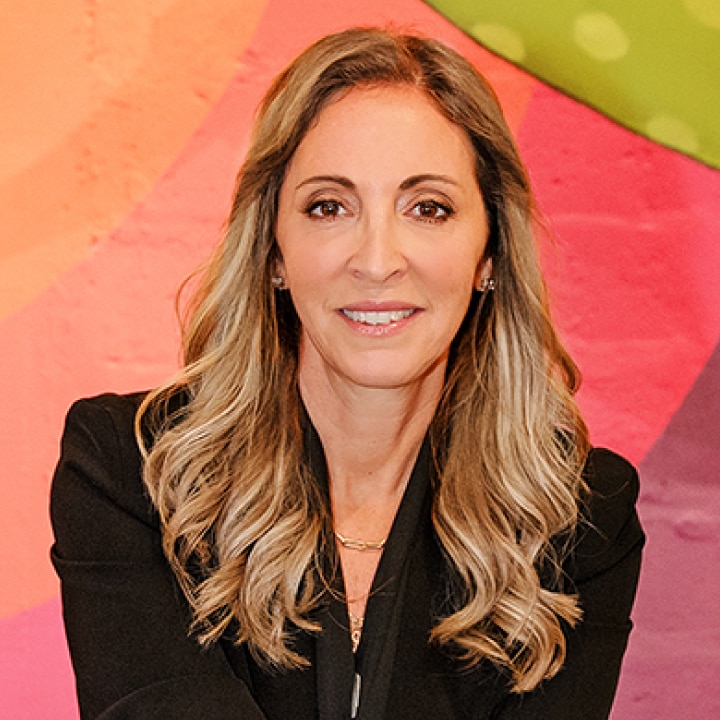
Looking back on your experience at Goldman Properties, is there a particular moment that stands out as especially meaningful or transformative?
In 1997, I decided to embrace my entrepreneurial spirit and learn from my visionary father, Tony Goldman. Leaving my position as associate fashion director at Saks Fifth Avenue to join the family business would forever change the trajectory of my life. Family business is all-encompassing. It sits with you at the dinner table and on family vacations, and it teaches each generation the responsibilities of leadership.
Our company, Goldman Properties, is a creative real estate firm with a storied history in placemaking, transforming depressed and dilapidated urban areas into iconic and thriving global destinations. The revitalization of SoHo in New York City, Miami Beach, Midtown Village in Philadelphia, and Wynwood in Miami were my real-life case studies. My business education in the family enterprise was unconventional and spanned a full spectrum of roles.
In 2012, at the age of 42 and on the 15th anniversary of my employment, I was named CEO of Goldman Properties. Five days later, I was met with deep sorrow with the passing of my father, something that would mark my life in profound ways. Navigating loss, great responsibility, and motherhood taught me courage, resilience, patience, and the importance of surrounding myself with a first-class team. I learned to appreciate the fragility of life, prioritize love, take risks, and lead by example. The loss of my father forced me to lean into the woman and leader I wanted to become. It is the privilege of my life to add to our family's legacy.
What are the most rewarding and challenging aspects of joining a family business?
Ideally, a family’s DNA is embedded in a company culture and serves as a guide. In our case, I find it deeply rewarding to have a foundation of integrity, work ethic, compassion, passion, and a desire to make a positive impact on the planet—values that originated from my mother and father. A family business gives you the flexibility to experiment with ideas, embrace fluid decision-making, and impact generations of families outside of your own. The advice I give to others joining a family business: Work somewhere else for at least five years. Be known for your first name and not your last name. Find success outside the family business so when you join, you can give, rather than simply take, from the company. It’s important to be grateful for all the opportunities that come with working for a family business, even when you are frustrated or feel unappreciated. It is your job, not an entitlement. When I joined our company, I gave my dad a one-year contract so that I could have a gentle out in case it wasn’t working for me—that was 28 years ago!
How have you incorporated your passion for the arts into your business strategy for Goldman Properties?
As a second-generation steward of our family business, I inherited a legacy of vision and long-term ownership from my father. He was an artist and raised me to celebrate art and culture in their many forms. It was something we enjoyed together, and it became one of my passions. My father instilled in me the importance of art, and the root of our work is to improve the quality of life for as many people as we can in the places where we work, live, and play. I continue to institutionalize art and culture as a strategy: We make art the anchor, not the afterthought.
In Wynwood, we invested in artists before the market invested in the neighborhood. By curating museum-quality public art through Wynwood Walls, curating tenancies, and integrating art and architecture into our company DNA, we transformed a warehouse corridor into a globally recognized cultural and commercial destination. We changed, and continue to change, the paradigm of how people interact with art. That wasn’t accidental—it was disciplined placemaking rooted in the belief that purpose and creativity drive economic performance, differentiating us as a company, giving us a competitive advantage, and elevating our reputation.
We have expanded our family legacy while honoring it. I always keep an open mind for discovering talent, whether that’s an artist, sculptor, architect, product, or concept. I turned my passion into a business as my dad did—building, growing, experimenting, and pushing the boundaries of creativity.
Jessica Goldman Srebnick photo credit: Viveca Ljung; Art by SETH
Christy Turlington Burns photo credit: Aria Isadora
The participants herein may have relationships with the Firm.
This material has been prepared for informational purposes only and is provided solely on the basis that it will not constitute investment advice. While it is based on information believed to be reliable, no warranty is given as to its accuracy or completeness and it should not be relied upon as such. Information and opinions expressed by individuals other than Goldman Sachs employees do not necessarily reflect the view of Goldman Sachs and are as of the date of this material only and are subject to change without notice.
Inclusion of the individuals and entities featured in this material does not constitute or imply an endorsement, recommendation, sponsorship, or affiliation by Goldman Sachs. Services offered through Goldman Sachs & Co. LLC., member FINRA/SIPC.
©2026 Goldman Sachs. All rights reserved.
Goldman Sachs & Co. LLC is registered with the Securities and Exchange Commission (“SEC”) as both a broker-dealer and an investment adviser and is a member of the Financial Industry Regulatory Authority (“FINRA”) and the Securities Investor Protection Corporation (“SIPC”).