ART & COLLECTING
Beyond the Sparkle: A Guide to Buying and Collecting Luxury Jewelry and Watches
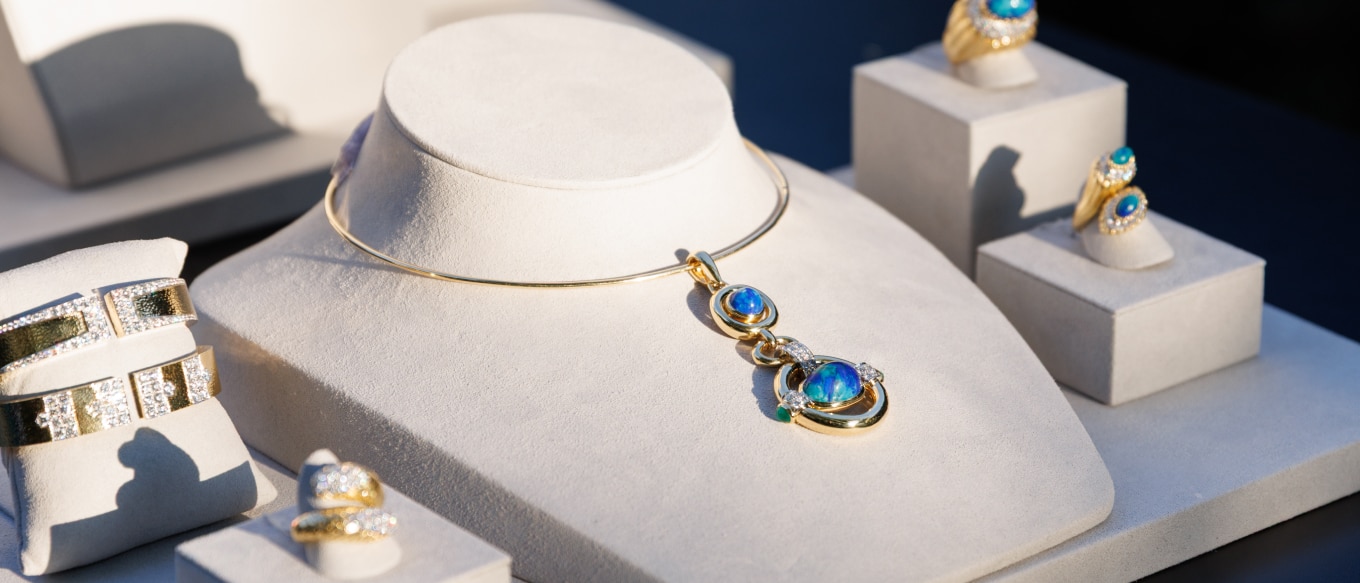
- Before you buy, think about your objectives and what makes a piece of jewelry or watch right for you.
- A piece’s rarity, historical significance and provenance, quality, condition, and market demand could all contribute to its value.
- Include jewelry and watches in your wealth planning conversations.
The luxury industry is entering a new chapter. After a pandemic-era boom, certain segments of the luxury market cooled, pushing brands to rethink how they connect with clients and the next generation of consumers. Yet even as the broader market recalibrates, two categories continue to shine: luxury jewelry and watches.
Jewelry is experiencing a renewed demand fueled by women, who are increasingly buying luxury jewelry for themselves to mark a personal or professional milestone or build a collection that reflects their own personal style. For example, more women are buying diamonds for themselves and as gifts: non-bridal purchases now account for 75% of demand value1. The luxury watch market is also recalibrating, climbing 5% in 2025, driven by the heritage brands Rolex and Patek Phillipe, according to the Knight Frank Luxury Investment Index2. Second-hand watches have been a particular bright spot, growing 11% since July 20253.
If you're interested in acquiring a new piece or thinking about building a collection, it's worth considering what makes a piece right for you, what may hold value, and how to steward your luxury jewelry and timepieces for generations to come.
Before you buy—what makes a piece right for you?
Thoughtfully approaching jewelry and watches starts with understanding why you are buying the piece, says Monica Heslington, head of the Goldman Sachs Family Office Art & Collectibles Strategy practice. Are you looking for pieces to wear every day, mark an important milestone, build a collection, or leave as a legacy for loved ones? In some cases, it could be a combination of these factors. Your objectives will determine the degree of due diligence you should perform.
If your priority is everyday wear, take some time to explore different cuts, styles, models, and brands before making a purchase, so you have a clearer sense of what is available and what feels right for you.
If you’re considering jewelry and watches as a potential investment asset, expert guidance can be incredibly valuable. Auction houses, dealers, and independent specialists can provide context on what is truly exceptional, what could have long-term staying power, the current market demand, and what may be more difficult to resell. The secondary market can offer access to rare or discontinued pieces, but it requires the highest degree of diligence. It’s crucial to understand the terms of sale and have an independent specialist confirm authenticity, assess condition, and gauge appropriate pricing.
What factors make jewelry and watches collectible investment assets?
Pieces from heritage jewelry maisons may attract collector interest, as can signature, limited-edition watches from established brands.
But brand name alone is not enough.
"Whether jewelry or a watch is considered an investment asset must be determined on a piece-by-piece basis. Clients are sometimes surprised when a very expensive piece from a prestigious brand is not considered an investment-grade collectible asset," says Heslington.
Heslington shares five considerations that, taken together, could help determine whether a piece has potential long-term investment value.
- Rarity—Is this item one-of-a-kind or part of a very limited series?
- Historical significance—Does it have a meaningful story or provenance?
- Craftsmanship—Is the design or execution exceptional?
- Condition—Is it well-preserved and does it have its original key components?
- Authenticity—Is there reliable documentation, such as GIA certificates, certificates of origin, or original invoices, and has it been personally handled and examined by an independent specialist?
Most importantly, if the price point is significant for you, an independent specialist should vet the transaction and diligence each of these factors.
Wealth planning considerations for jewelry and watches
Whether you own a single meaningful piece or a larger collection, there are several important wealth planning considerations to think about.
- Documentation and inventory: Whether buying directly from a brand, authorized retailer, or auction house, preserve all original paperwork. This documentation can be essential for authentication, future resale, and tracking tax basis. An organized, updated inventory helps keep track of what you own and greatly facilitates the process of future appraisals that may be required for insurance, estate tax, or other purposes.
- Insurance: Understand the coverage and limitations of your insurance policy. A standard homeowner’s policy, for example, may not cover the full value of your pieces, depending on the circumstances of the loss or damage. A rider or specialized policy for jewelry and timepieces is often required if you want complete coverage, especially when pieces are being worn while traveling internationally. Review your policy and needs with a qualified insurance specialist.
- Appraisals: Values can change over time, so appraisals should be kept current, especially if you want to maintain adequate insurance coverage. Appraisals are also often the first step toward an effective legacy plan, as knowing the current market value of your collection can allow for more accurate tax and liquidity calculations when assessing different planning strategies.
- Storage and care: Proper storage, regular maintenance, and thoughtful handling can help protect your piece’s condition and value. For watches, make sure that key external parts are not replaced during servicing without your consent, as this could greatly diminish value in certain situations; for jewelry, pieces should be stored in individual pouches in compartmentalized boxes to prevent stones from scratching each other. Consider consulting specialists for guidance on how to care for your particular pieces.
- Estate planning and succession: Jewelry and watches often carry emotional and sentimental value for family members. Ask family members if they’re interested in any particular pieces to figure out how to manage collections and minimize future conflicts if multiple people want an item. For pieces that will be sold, identify who will manage the sale and what support they may need. If they’re not familiar with jewelry or watch markets, provide clear guidance on which specialists to connect with to help facilitate the sales process and support informed decision-making.
- Tax considerations: When acquiring jewelry and watches, be aware of potential sales and use, VAT, and import taxes. If high-value jewelry and watches are in a foreign jurisdiction, work with a tax specialist to determine whether these items could potentially be subject to estate tax based on their ownership structure. Tax treatment depends on individual circumstances, and clients should consult their tax advisor regarding tax consequences associated with sales, gifts, collectibles, estates, and cross-border ownership.
Beyond jewelry and watches
Many of these acquisition and wealth planning considerations extend beyond jewelry and watches to other passion assets, such as art, handbags, wine, classic cars, and other collectibles. Whether you are acquiring a rare Hermès bag, a Picasso, or an F.P. Journe, an informed buyer is likely to raise similar questions related to quality, authenticity, condition, and investment potential.
Jewelry and watches can carry emotional, aesthetic, historical, and financial significance. They can tell personal stories and connect generations. And like any asset, they deserve careful wealth planning. For clients who already own these assets or are considering building a collection, the most important step is to treat them intentionally. That means understanding what you own, documenting it properly, protecting it, and seeking specialist advice where appropriate.

Frequently asked questions
Are luxury jewelry and watches good investments?
They can be, but not every piece should be viewed as an investment asset. Value can depend on factors such as rarity, provenance, condition, authenticity, and market demand. Brand name may influence collector interest, but it alone does not determine investment value. Clients should seek independent specialist guidance before making a significant acquisition.
What should I look for before buying a pre-owned watch or jewelry piece?
The secondary market may offer access to rare or discontinued pieces, but it also requires careful diligence. Start with authenticity, condition, documentation, and fit for your objectives. For watches, original box and papers, service history, reference number, and the originality of parts can be important. For jewelry, gemological reports, appraisals, treatment disclosures, prior ownership history, and original invoices can provide helpful context.
How often should jewelry and watches be appraised?
Appraisals should be kept current because values may change over time. Updated appraisals can help support appropriate insurance coverage, estate planning, gifting decisions, and potential future sales. Owners should ask a specialist how often updates are appropriate for their situation.
Do standard homeowner’s insurance policies cover luxury jewelry and watches?
Coverage varies. Standard homeowner’s policies may have limits, exclusions, or restrictions that make them insufficient for high-value pieces, particularly if items are worn frequently or travel internationally. Owners should review policy terms carefully and consider whether a scheduled rider or specialized jewelry and watch policy is appropriate.
1 https://www.debeersgroup.com/news-insights/reports-and-results/the-diamond-report-edition-1
3 https://subdial.com/market?srsltid=AfmBOopuowi4OixBOgQ8JdS0bRP14hdcZ_XTuYJ4_59aDMYqkW_qeS9A
The Goldman Sachs Family Office does not advocate aquiring art and collectibles for investment purposes.
This material is intended for educational purposes only and is provided solely on the basis that it will not constitute investment advice and will not form a primary basis for any personal or plan’s investment decisions. Information and opinions are as of the date of this material only and are subject to change without notice. This material may not, without Goldman Sachs' prior written consent, be (i) copied, photocopied or duplicated in any form, by any means, or (ii) distributed to any person that is not an employee, officer, director, or authorized agent of the recipient.
© 2026 Goldman Sachs. All rights reserved.
Goldman Sachs & Co. LLC is registered with the Securities and Exchange Commission (“SEC”) as both a broker-dealer and an investment adviser and is a member of the Financial Industry Regulatory Authority (“FINRA”) and the Securities Investor Protection Corporation (“SIPC”).