Reflections from the 2025 Family Founders Forum
Building a Family Business Empire
Key Takeaways
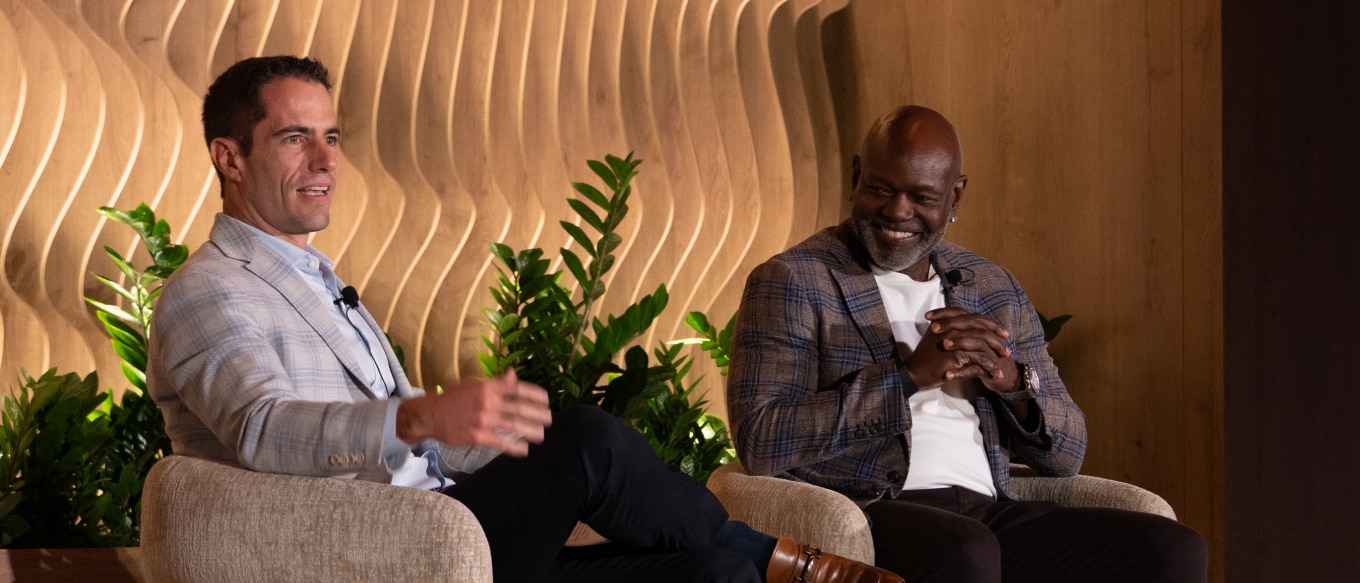
- Balancing tradition with innovation: How can family-owned businesses honor the past while embracing change? Ben Kennedy said it helps to be selective: Lean into a few key traditions that are important to your audience and brand. “When you find those focus areas, how can you elevate and enhance those experiences?” he asked. When there’s an opportunity to try something new, Kennedy said it’s helpful to back your vision with data—this can help key stakeholders better understand the potential impact of the change. Using this strategy, NASCAR has continued legacy events such as the Daytona 500, while introducing new initiatives, such as street racing and building a new racetrack inside a 100-year-old stadium in Los Angeles.
- Leadership transition: Lesa France Kennedy shared her perspectives on a successful succession strategy. “It’s important to recognize that when you’re not able to change as rapidly as the business needs to change or you’re willing to do certain things but aren’t capable, it may be time to bring in new talent,” she said.
- A culture of integrity: Families pass down many values that become entrenched in the business culture and practices. As Ross Perot Jr. reflected on the lessons learned from his father, he noted that integrity was a cornerstone of business. “Your word is your bond and reputation—that is the foundation of the culture my father taught us. If you are not honorable, people won’t want to do business with you,” he said.
Skills & Strategies to Succeed in the Family Business
Key Takeaways
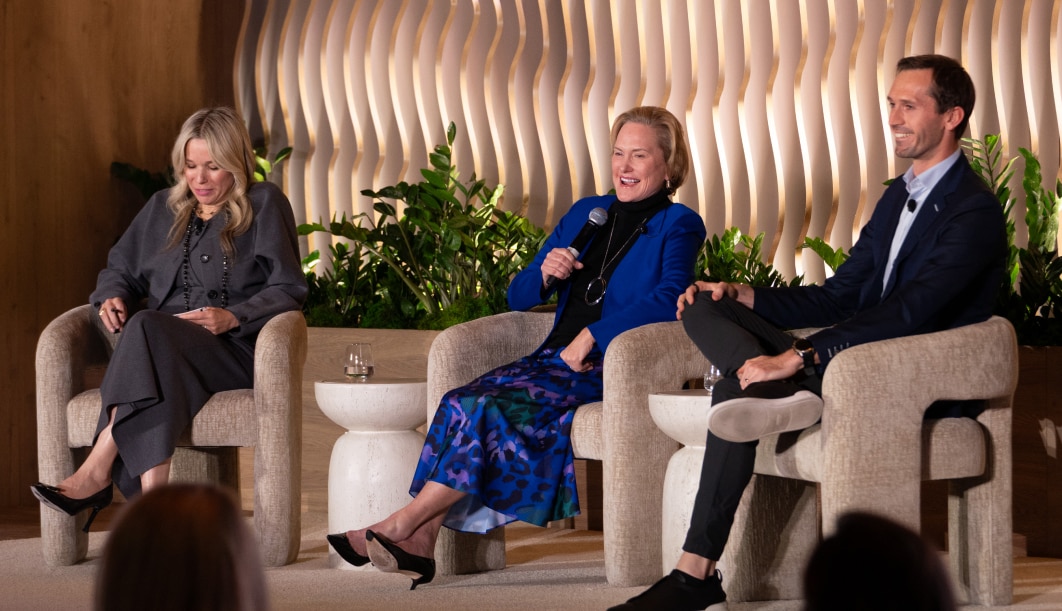
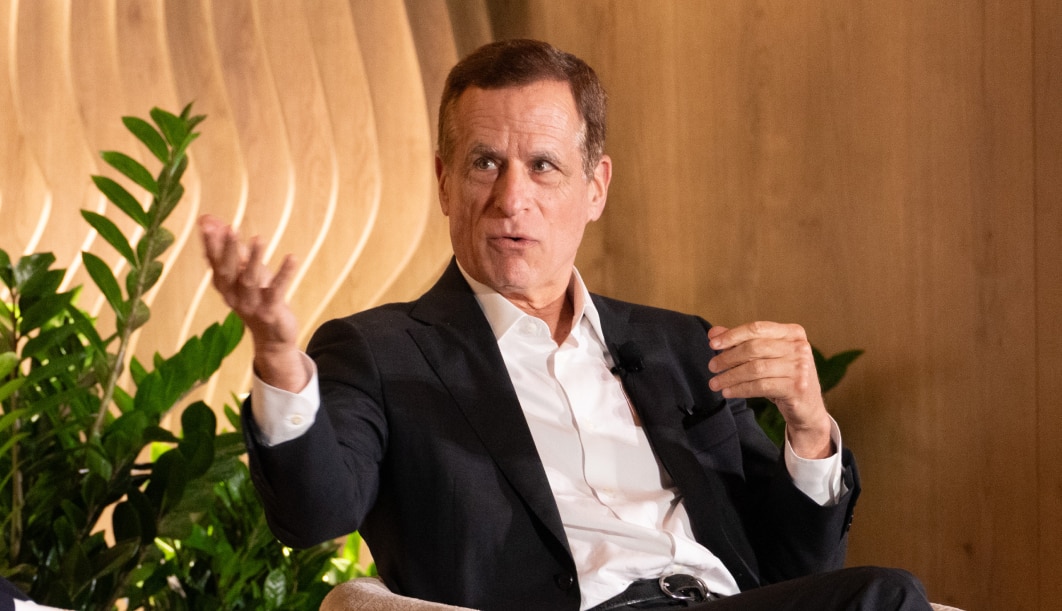
- Think like an owner: An ownership mindset—where leaders work to add value to clients, colleagues, and the community—is key to effective leadership. Kaplan typically sees leaders fall short because of isolation, blind spots, inability to learn, and a lack of relationships. Blind spots are particularly important for leaders of a family-owned business, where the CEO’s leadership style may inadvertently make it challenging for employees to raise difficult issues. Kaplan suggested scheduling regular skip-level, one-on-one meetings to share information, ask about challenges facing employees and including junior family members, and to request advice relating to the CEO’s leadership style and the company as a whole. These meetings break down barriers to feedback, illuminate blind spots, encourage dialogue, and empower employees to have an ownership mindset.
- Preparing for the next generation: For succession planning, Kaplan suggested performing a strategic talent assessment of existing strengths and weaknesses. This can help determine where outside talent could complement the family or provide a bridge to the next generation. Kaplan explained family-owned business leaders need to be cognizant that young family members grow and develop. Blind spots may prevent the CEO from recognizing when a junior family member is ready for a larger role.
- A legacy of impact: Integrating impact and philanthropy goals into your business strategy can be an important tool for reinforcing family values and building the family legacy. It can also be a way to inspire the next generation to join in the leadership of a family business. Kaplan highlighted how America is full of cities and towns where family-owned businesses have made a civic impact and left a legacy beyond just business success.
The Macroeconomic Environment
Key Takeaways
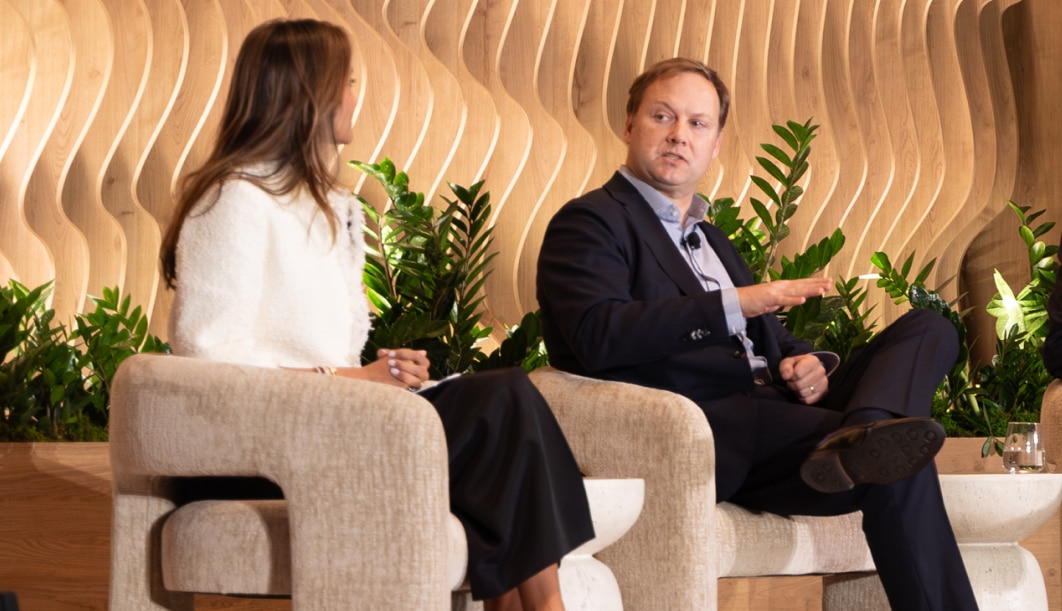
- Tariff easing: While President Trump imposed a broad set of tariffs on several key imports earlier this year, some have been recently removed. Phillips said the current administration is likely to be cautious in imposing further tariffs ahead of the midterm elections. Tariff refunds and/or rebates have also been discussed. As businesses pressure their supply chains to keep costs down, Phillips expects around half of this year’s tariffs to be passed on to consumers. This would be an improvement from the impact of tariffs on prices during the first Trump administration, where consumers bore nearly 100% of the increases. Phillips expects core inflation to slow to 2.3% (year over year) by the end of 2026, only slightly higher than the Fed’s 2% target.
- US ownership stake: The Trump administration has recently acquired direct ownership stakes in several major publicly traded companies. Impacted sectors include semiconductors, steel, and critical minerals—with more potentially on the horizon. “The US is the main funder of the defense industry and a major funder of biopharma, so you could potentially see this strategy being applied to other sectors for supply chain and political considerations,” said Phillips.
Opportunities in Technology & Artificial Intelligence
Key Takeaways
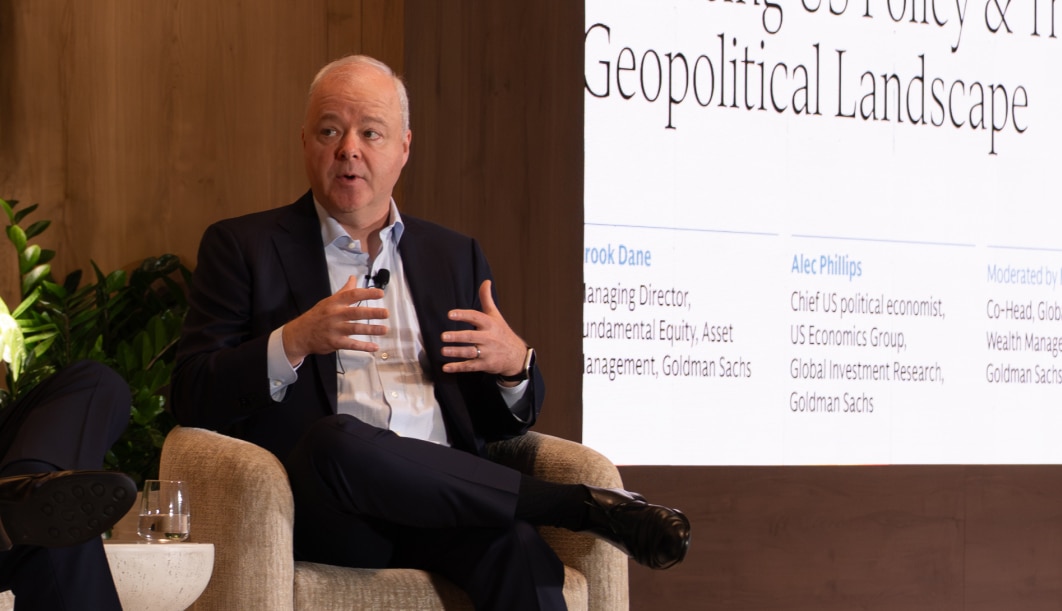
- AI opportunity:Dane remarked how AI will be a resilient, durable theme impacting markets for the next decade—given that it will take several years to build out necessary support capabilities, including data centers and energy supply. He cited four areas investors interested in AI can explore: semiconductors, data infrastructure and security, hyperscaling companies, and applications. “We think capital is going to move across these core investment areas, so as clients look at their portfolios, they should be asking if they have the right exposure to each one,” said Dane.
- Supply chain resiliency: Tariffs and the rise of automation are leading companies to build more stable and resilient supply chains. Around $1.5 trillion of investment has returned to the US from foreign supply chains, which could help insulate production from tariffs and create jobs, said Dane. There have been large-scale efforts to boost domestic opportunities in sectors like manufacturing and semiconductors. He is excited by the opportunities automation will create as companies balance lower labor costs with higher efficiency.
- Seeking alpha—healthcare and more: Following years of underperformance, Dane believes healthcare has reached an inflection point. Recent innovations are driving improved market results. A wave of pharmaceutical M&As are further energizing the sector and creating more opportunities. Other sectors Dane is focusing on are cybersecurity, defense, robotics, and founder-led businesses. “We think founder-led businesses have more long-term, strategic decision making, and the alpha results prove it,” he said.
This material is intended for educational purposes only and is provided solely on the basis that it will not constitute investment advice and will not form a primary basis for any personal or plan’s investment decisions.
Information and opinions expressed by individuals other than Goldman Sachs employees do not necessarily reflect the view of Goldman Sachs. Information and opinions are as of the date of this material only and are subject to change without notice. This material may not, without Goldman Sachs' prior written consent, be (i) copied, photocopied or duplicated in any form, by any means, or (ii) distributed to any person that is not an employee, officer, director, or authorized agent of the recipient.
© 2026 Goldman Sachs. All rights reserved.
Goldman Sachs & Co. LLC is registered with the Securities and Exchange Commission (“SEC”) as both a broker-dealer and an investment adviser and is a member of the Financial Industry Regulatory Authority (“FINRA”) and the Securities Investor Protection Corporation (“SIPC”).